
"1930s Shanghai"
4000 article(s) found

An old movie cafe with a statue of Chaplin
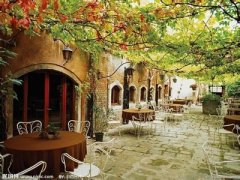
The unique western-style building in the old movie cafe is rare in Hongkou. If it is embellished with modern furnishings fashionable in the 1920s and 1930s, it may be even less. The whole cafe is mixed with western style, the gray brick walls are vaguely covered with vines, and the arched eaves are both majestic and full of foreign flavor. In the midst of it, there is ecstasy.

Coffee Basic Knowledge Old Shanghai Cafe "Dejected Exit"
In the 1920s and 1930s, many luxury Parisian cafes sprang up overnight in the French Concession. At that time, coffee drinking was a pleasure reserved for the upper classes and the intelligentsia. Located in Hongkou Duolun Road, the coffee shop witnessed the elegant demeanour of the left-wing scholars. How many vivid and interesting plots from the public space in this metropolis
What is the ideal of a cafe?
The Arab said: wherever we entertain guests with coffee, we will make the noblest and most tolerant friends. The Turks say that the cafe is a symbiosis of Islamic tradition and secular culture. The British said: the cafe used to be a trading market and information center, as well as a democratic conference room for liberal factions. The French say: cafes give birth to the most romantic literature in the world.

"I like to find those inconspicuous corners of the city center and give it something new."
Fan Chengjun from Wenzhou likes to collect old houses. In the first few years of coming to Shanghai in 2001, what he did was the business of buying and renovating old houses and then subletting them. most of these old houses with low prices and high rents were in the original French concessions such as Changshu Road and Anfu Road. In 2007, he found that the operating space of the house was getting smaller and smaller, so he set his sights on larger workers.

Coffee fragrant "China Street" the image of coffee shops in the old days
China Street in the early 20th century in the 1930s Central Street (renamed Central Street in 1928) as Harbin people know, at the beginning of the last century, the Central Street has been a mixture of Chinese and foreign prosperity. But do you know the name of the first western restaurant here, and when was it built? As early as 1900, there was already a Russian-owned western restaurant on Central Street.

Starbucks Colombian coffee beans taste good? Colombian coffee stamp story
Professional coffee knowledge exchange more coffee bean information Please follow the coffee workshop (Wechat official account cafe_style) in the Starbucks merchandise area, what else can you see except rows of cups that want you to chop impulsively? That's bags of roasted coffee beans. What we're going to introduce to you today
Brazilian Sandoz Coffee introduces Brazilian Coffee Flavor introduction of Brazilian Coffee hand pulping parameters
Professional coffee knowledge exchange more coffee bean information Please follow the coffee workshop (Wechat official account cafe_style) speaking of Brazil Santos, in addition to the football team, I believe many people will think of coffee. Santos is a port in southeastern Brazil. In the past, the name of the port was printed on the export of coffee (generic coffee) from different provinces.

Three waves of coffee in history
The first coffee wave: in the 1930s and 1940s, the US military took coffee as a necessity around the world to prevent combat fatigue, and the bitterness of coffee was known by the public as a pick-me-up. Then the invention and rise of instant coffee. The second Coffee Wave: after World War II, the Italian method of steam pressure extraction of espresso began to be familiar and accepted.

Three coffee waves
The first coffee wave: in the 1930s and 1940s, the US military took coffee as a necessity around the world to prevent combat fatigue, and the bitterness of coffee was known by the public as a pick-me-up. Then the invention and rise of instant coffee. The second Coffee Wave: after World War II, the Italian method of steam pressure extraction of espresso began to be familiar and accepted.

Coffee Culture Tide-- three Coffee Tides in World History
The first coffee wave: in the 1930s and 1940s, the US military took coffee as a necessity around the world to prevent combat fatigue, and the bitterness of coffee was known by the public as a pick-me-up. Then the invention and rise of instant coffee. The second Coffee Wave: after World War II, the Italian method of steam pressure extraction of espresso began to be familiar and accepted.

Three coffee waves in coffee culture history
The first coffee wave: In the 1930s and 1940s, the U.S. military brought coffee to all parts of the world as a necessity to prevent fatigue during combat, and the bitter taste of coffee served as a refreshing effect. Then came the invention and rise of instant coffee. Second coffee wave: After World War II, Italy's method of steam pressure extraction of espresso began to be familiar and accepted.
Three waves of Coffee in the History of Coffee
The first coffee wave: in the 1930s and 1940s, the US military took coffee as a necessity around the world to prevent combat fatigue, and the bitterness of coffee was known by the public as a pick-me-up. Then the invention and rise of instant coffee. The second Coffee Wave: after World War II, the Italian method of steam pressure extraction of espresso began to be familiar and accepted.
Three waves of Coffee in the History of Fine Coffee Culture
The first coffee wave: in the 1930s and 1940s, the US military took coffee as a necessity around the world to prevent combat fatigue, and the bitterness of coffee was known by the public as a pick-me-up. Then the invention and rise of instant coffee. The second Coffee Wave: after World War II, the Italian method of steam pressure extraction of espresso began to be familiar and accepted.

Three waves of Coffee in the History of Fine Coffee
The first coffee wave: in the 1930s and 1940s, the US military took coffee as a necessity around the world to prevent combat fatigue, and the bitterness of coffee was known by the public as a pick-me-up. Then the invention and rise of instant coffee. The second Coffee Wave: after World War II, the Italian method of steam pressure extraction of espresso began to be familiar and accepted.

When was the first coffee wave?
The first coffee wave: In the 1930s and 1940s, the U.S. military brought coffee to all parts of the world as a necessity to prevent fatigue during combat, and the bitter taste of coffee served as a refreshing effect. Then came the invention and rise of instant coffee. Second coffee wave: After World War II, Italy's method of steam pressure extraction of espresso began to be familiar and accepted.

Three waves of Coffee in the History of Fine Coffee Culture
The first coffee wave: in the 1930s and 1940s, the US military took coffee as a necessity around the world to prevent combat fatigue, and the bitterness of coffee was known by the public as a pick-me-up. Then the invention and rise of instant coffee. The second Coffee Wave: after World War II, the Italian method of steam pressure extraction of espresso began to be familiar and accepted.
A detailed explanation of the three coffee waves in the history of boutique coffee
The first coffee wave: in the 1930s and 1940s, the US military took coffee as a necessity around the world to prevent combat fatigue, and the bitterness of coffee was known by the public as a pick-me-up. Then the invention and rise of instant coffee. The second Coffee Wave: after World War II, the Italian method of steam pressure extraction of espresso began to be familiar and accepted.

Burundian Breer processing Plant introduces Burundian Coffee Flavor introduces Burundian hand-flushing parameters
For more information on coffee beans, please follow the coffee workshop (Wechat official account cafe_style) Burundi, a small African country sandwiched between Rwanda, the Republic of Congo and Tanzania. The history of coffee cultivation in Burundi began in the 1930s when coffee was introduced into the country by the Belgians. Since 1998, Burundi will produce coffee with NG

Three waves in the development of coffee products
Three waves of Coffee Product Development the first Coffee Wave: in the 1930s and 1940s, the US military took coffee as a necessity and brought it to all parts of the world to prevent fatigue during combat, and the bitterness of coffee played a refreshing effect. Then the invention and rise of instant coffee. The second Coffee Wave: steam pressure extraction of espresso in Italy after World War II

The definition of boutique coffee; the third coffee wave
The definition of boutique coffee; the third Coffee Wave the first Coffee Wave: in the 1930s and 1940s, the US military took coffee as a necessity and brought it to all parts of the world to prevent combat fatigue, and the bitterness of coffee was known by the public. Then the invention and rise of instant coffee. The second Coffee Wave: after World War II, Italian steam pressurized extraction concentrated coffee